P/N 2455038-2: Rear Engine Compartment Baffle
P/N 2455038-2: Rear Engine Compartment Baffle
Blog Article
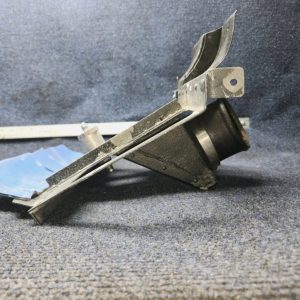
P/N 2455038-2 should be selected only after confirming aircraft serial applicability, engine configuration, mounting geometry, material condition, and included hardware.
Whether buyers search for a Cessna 172RG Rear Right-Hand Baffle, Cessna 172RG Engine Baffle, or Cessna 172RG Cooling Baffle, individual condition and aircraft compatibility should guide the purchase.
The Cessna Cutlass Engine Baffle and Aircraft Engine Baffle Assembly keywords help qualified buyers locate relevant replacement parts.
The Cessna Engine Cooling Baffle works with other Cessna 172RG Engine Compartment Parts to reduce unwanted air leakage and direct airflow through intended cooling paths.
A Cessna Aircraft Engine Baffle can form part of an Engine Cooling Baffle Assembly, while a Cessna Cutlass Cooling System Part must correspond with the installed aircraft and engine configuration.
Understanding P/N 2455038-2
A component should not be accepted as P/N 2455038-2 solely because it appears to fit the rear right-hand engine area.
Informal cross-references should not replace current parts information or approved technical data.
Understanding Cessna Engine Cooling Airflow
Cracks, missing seals, loose fasteners, or distorted edges can allow cooling air to bypass intended areas.
Unexpected temperature indications may result from multiple causes rather than the rear baffle alone.
Cessna 172RG and Cutlass Compatibility
The Cessna 172RG Cutlass may contain production changes, previous repairs, engine modifications, or altered cooling-system components that affect fitment.
The replacement baffle should align naturally with surrounding parts and retain required clearances.
Cessna Baffle Flanges and Brackets
Preserving original geometry supports proper alignment and airflow management.
Small distortions may create air gaps, cowling interference, fastener get more info misalignment, or stress around mounting points.
Aircraft Cooling Component Inspection
Areas near fasteners and vibration-prone attachment points deserve particular attention.
Unusual waviness or twisted geometry should be measured rather than dismissed as cosmetic.
Cessna Cooling Air Seal Replacement
The offered assembly should identify whether seal material, retainers, rivets, or mounting hardware are included.
Seal overlap, direction, clearance, and edge contact should be checked after installation.
Evaluating Corrosion on Cessna Baffles
Corrosion inspection should address exposed surfaces, overlapping joints, fastener areas, lower edges, brackets, and locations where moisture or contaminants can collect.
Protective coatings should be compatible with the material and intended engine-compartment environment.
Evaluating Fretting and Elongated Holes
Cracks often begin near holes, corners, bends, bracket ends, and areas affected by vibration or forced alignment.
The replacement assembly should align with surrounding parts without using fasteners to pull severely mismatched sections together.
Planning a Complete Baffle Repair
A missing bracket, damaged seal, or distorted neighboring panel can delay installation even when the primary baffle is available.
Donor-aircraft history may provide context but does not establish present serviceability.
Engine Cooling Troubleshooting
Missing seals, open gaps, loose cowling, or incorrectly installed neighboring components can affect airflow distribution.
System-level diagnosis supports responsible engine cooling maintenance.
Rear RH Baffle Replacement Versus Repair
A documented repair plan supports a more consistent result.
Patches or replacement brackets should not create interference with the engine, cowling, controls, wiring, hoses, or exhaust system.
Buying P/N 2455038-2
A clean appearance can improve presentation but does not replace detailed inspection.
Unsupported direct-fit, cooling-performance, or airworthiness claims should be avoided.
Aircraft Engine Baffle Pre-Purchase Guide
A pre-purchase review should confirm P/N 2455038-2, donor-aircraft details, model and serial applicability, engine configuration, dimensions, material condition, repairs, included seals, brackets, hardware, and documentation.
- Determine whether seal material, retainers, fasteners, clips, brackets, records, or release documents are included.
- Confirm whether the component came from an accident aircraft, overheated engine compartment, corroded airframe, dismantled project, or controlled removal.
- Require packaging that supports the baffle without bending flanges, crushing contours, damaging brackets, scratching finishes, or allowing loose hardware to strike the panel.
Aircraft Cooling Baffle Packaging
Professional packaging helps preserve the geometry of the Engine Cooling Baffle Assembly.
Heavy objects should never be stacked on the baffle.
Cessna Cutlass Cooling System Installation
The engine compartment should be inspected before the replacement component is positioned permanently.
Correct workmanship supports a secure and effective cooling-air boundary.
After installation, technicians should inspect mounting security, seal contact, clearances, cowling fit, airflow gaps, interference, and completeness.
Maintaining the Cessna 172RG Cooling System
Long-term maintenance includes periodic inspection of the baffle, seals, fasteners, brackets, adjacent panels, cowling contact areas, protective finishes, and corrosion-prone locations.
Wiring, hoses, and controls should not rub against the baffle or create repeated loading.
P/N 2455038-2
The Cessna 172RG Rear RH Baffle Assembly
Careful technical and commercial evaluation can reduce fitment errors, missing-component costs, cooling-system gaps, installation delays, and unexpected corrosion findings.
Whether maintenance teams are sourcing an Engine Cooling Baffle Assembly, Cessna Cutlass Cooling System Part, or Cessna 172RG Replacement Baffle, qualified installation should precede operational use.
P/N 2455038-2 can deliver a professional combination of replacement value, cooling-system relevance, engine-compartment protection, and Cutlass application potential.
Report this page